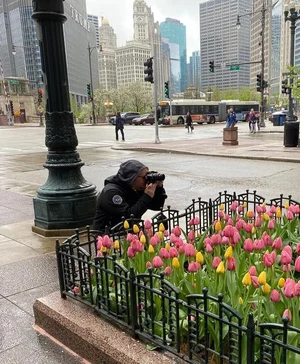
Why Real Photography Still Matters in the Age of AI
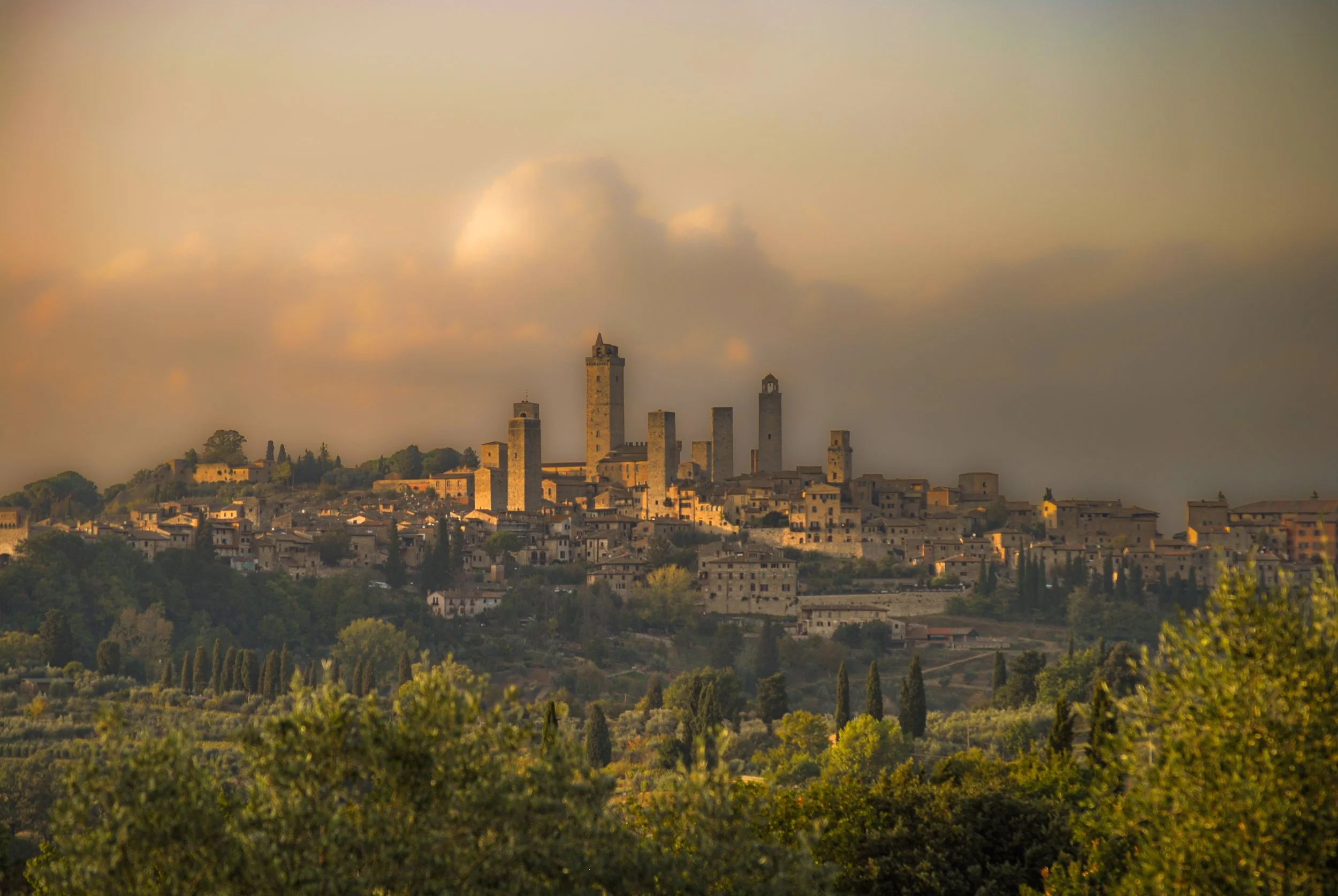
A Real Photograph Has a Story Before the Image Exists
We live in a time where images can be created in seconds. A few words typed into a screen can generate a desert, a city, a bridge, a mountain range, or an abstract landscape that never existed. Some of these images are beautiful. Some are impressive. Some are even difficult to separate from reality at first glance. But for me, that is exactly why real photography matters more than ever.
A real photograph is not only about what appears inside the frame. It is about the road that led there, the time it took, the decisions made in the moment, the weather that changed the scene, and the experience of actually being in front of it. AI can create something that looks like a place. But photography comes from having been there.
When I look at my photographs from Morocco, I do not only see color, sand, architecture, or texture. I remember the trip. In Chefchaouen, I hired a private local guide for an entire afternoon. He was from the area, and he took me beyond the most obvious tourist streets and into quieter corners of the town. Places I probably would not have found on my own. That changed the way I saw the Blue City.
The blue walls, small doors, fountains, stairways, tiles, and narrow streets were not just beautiful surfaces for a photograph. They were part of a real place, with people, history, rhythm, and details that are easy to miss if you only walk through quickly.
A photograph like Place El Haouta, Chefchaouen is not just a picture of a blue Moroccan square. It comes from walking through the medina, listening, observing, and letting someone local show me parts of the town with more depth. AI can create an image that looks like a blue Moroccan village. But it cannot spend an afternoon walking through Chefchaouen with someone who knows its hidden corners.
The Sahara Was Not Just a Desert Image
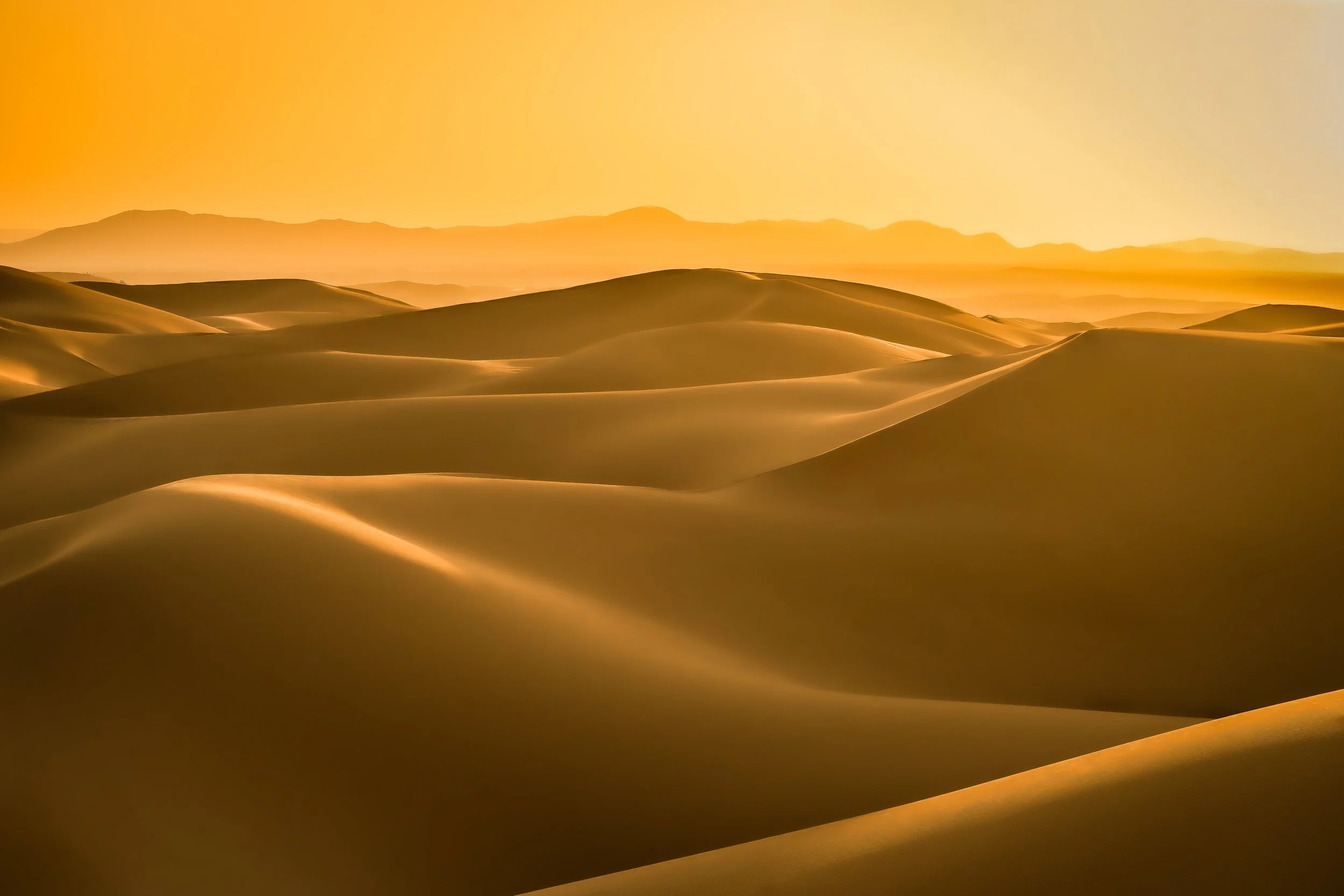
Some of my Morocco photographs came after spending a night in the desert, sleeping in tents with local people, sitting around a fire, listening to music and singing under the night sky. That experience stays with you.
The next morning, before sunrise, the dunes were quiet, cold, and almost empty. The shapes slowly appeared as the light changed. The sand was not just a subject. It was a place I had slept in, walked through, and felt.
A photograph like Across the Amber Dunes comes from that kind of moment. It is not only about sand, curves, and golden light. It is about waking up early in the Sahara, walking through the dunes, waiting for the first light, and trying to turn that silence into an image. That is the difference. AI can generate a desert in seconds. But it cannot remember a night in the Sahara.
Real Photography Requires Effort, Not Just a Result
A real photograph often looks calm when it is finished. But the process behind it is not always calm. For some of my Golden Gate Bridge photographs, especially the foggy ones, I woke up around 4 a.m. so I could be in position and photographing by 5 a.m., before the city was fully awake. San Francisco fog is unpredictable. You can check the weather, plan the location, prepare the camera, drive there early, and still arrive to nothing. Or you can get a scene that lasts only a few minutes before the fog moves, the light changes, or the bridge disappears completely.
In Golden Gate in the Mist, the bridge is not just covered by fog. It is caught in one of those temporary Bay Area moments when the structure almost dissolves into the air. That photograph exists because I was there early enough to see it happen. AI can create fog. But it cannot wake up at 4 a.m. and wait for the real one.
The Same Place Can Become Many Different Photographs
The Golden Gate Bridge is one of the most photographed landmarks in the world. That makes it difficult to photograph in a way that still feels personal. For me, the key is not only photographing the landmark. It is finding a different relationship with it.
In Golden Gate in the Mist, the bridge feels quiet, soft, and atmospheric. The fog turns the structure into something almost fragile.
In Golden Gate Geometry, the bridge becomes something completely different: red steel, deep blue sky, cables, shadows, and architectural lines. From below, it is less about the postcard view and more about scale, structure, color, and design.
Both images are of the same bridge. But they come from different moments, different decisions, and different ways of seeing. That is another reason real photography matters. It is not only about what is in front of the camera. It is about how the photographer responds to it.
Abstract Photography Is Still Connected to the Real World
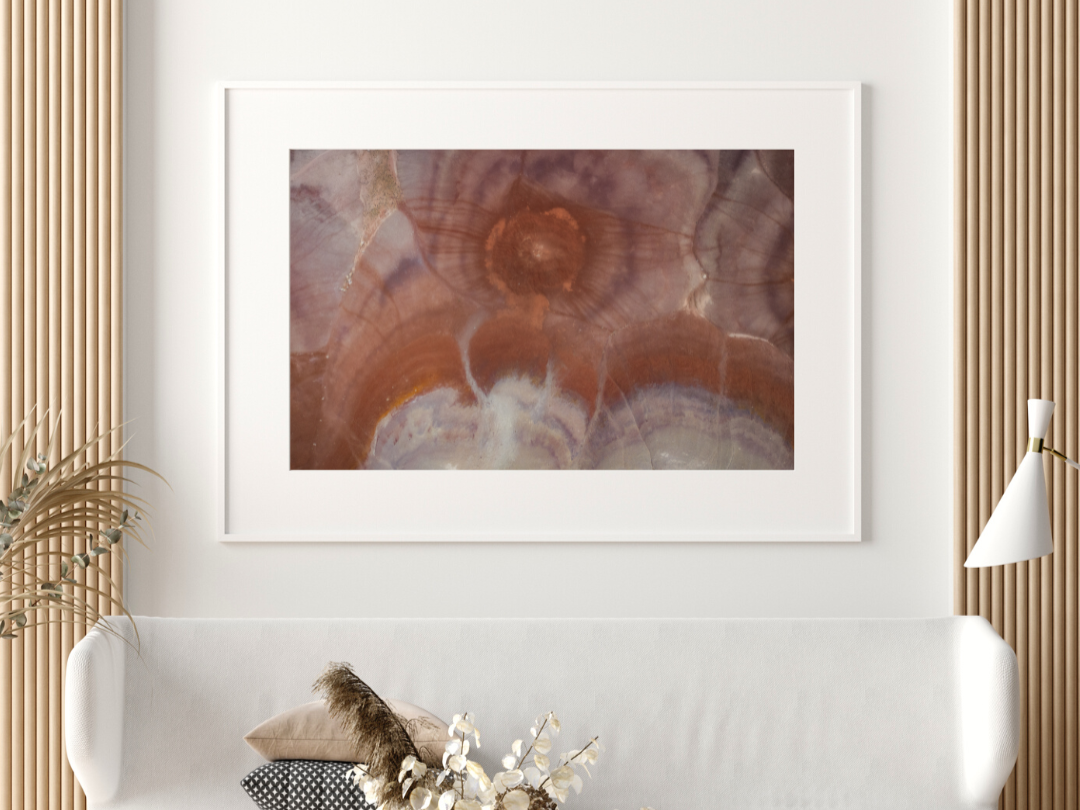
This becomes even more interesting with abstract landscape photography. Some of my Sediment Studies images may look almost unreal at first. The colors, lines, textures, and patterns can feel painterly, graphic, or even imagined. But they are real landscapes. They come from land formations, erosion, minerals, light, shadow, and perspective. The abstraction does not come from inventing a place. It comes from looking carefully at what is already there.
Drone photography makes this even more complex. From the ground, we understand a landscape in a familiar way. We see roads, hills, trees, rocks, water, distance, and scale. From above, everything changes. You do not have the same information. You have to learn how to fly the drone, understand the light, read the land differently, and spend hours searching for the right composition.
A drone photograph is not just pressing a button from above. You have to imagine the image before you fully see it. Lines, colors, erosion, minerals, shadows, and movement become part of a visual puzzle. Sometimes the photograph is not obvious at first. You have to search for it.
That is why the Sediment Studies series can feel abstract while still being completely real. The image may look otherworldly. But the place existed.
Abstract Photography Is Still Connected to the Real World
This becomes even more interesting with abstract landscape photography. Some of my Sediment Studies images may look almost unreal at first. The colors, lines, textures, and patterns can feel painterly, graphic, or even imagined. But they are real landscapes. They come from land formations, erosion, minerals, light, shadow, and perspective. The abstraction does not come from inventing a place. It comes from looking carefully at what is already there.
Drone photography makes this even more complex. From the ground, we understand a landscape in a familiar way. We see roads, hills, trees, rocks, water, distance, and scale. From above, everything changes. You do not have the same information. You have to learn how to fly the drone, understand the light, read the land differently, and spend hours searching for the right composition.
A drone photograph is not just pressing a button from above. You have to imagine the image before you fully see it. Lines, colors, erosion, minerals, shadows, and movement become part of a visual puzzle. Sometimes the photograph is not obvious at first. You have to search for it.
That is why the Sediment Studies series can feel abstract while still being completely real. The image may look otherworldly. But the place existed.
A Real Fine Art Print Carries Presence
Most images today are consumed quickly. We scroll, pause for a second, and move on. Even strong images can disappear in the noise of social media. A fine art photography print changes that relationship. When a photograph is printed, it slows down. It becomes part of a room. It interacts with light, furniture, color, texture, and memory. It becomes something you live with, not just something you pass by on a screen. That is why real photography prints still have a place in modern interiors.
A print of the Golden Gate Bridge in the fog can bring a quiet Bay Area mood into a home or office.
A photograph from the Sahara Desert can add warmth, simplicity, and open space.
An image from Chefchaouen can bring color, architecture, and the feeling of a real Moroccan street.
A piece from the Sediment Studies series can work almost like abstract wall art while still being rooted in the natural world.
The value is not only decorative. It is emotional, physical, and personal.
This Is Not About Rejecting Technology
I do not think the answer is to reject technology. Photography has always changed with technology. Cameras changed. Lenses changed. Editing tools changed. Printing methods changed. The way we share images changed. I use digital tools too. Editing is part of how I shape the final image and bring it closer to what I felt when I was there. But there is a difference between using tools to refine a real photograph and generating an image without ever being in front of the subject.
For me, photography still starts with presence. It starts with being in the desert before sunrise. Standing under a bridge. Walking through a blue Moroccan square with a local guide. Learning to fly a drone and searching for abstract patterns in the land. Waiting for fog, light, shadow, or silence. Editing can refine the image. Printing can transform it into an object. But the starting point is still a real encounter with the world.
Why Real Photography Still Matters
Real photography matters because it has memory. It has a location. It has weather. It has effort. It has timing. It has mistakes, decisions, waiting, movement, and a person behind the camera making choices in real time. In a world where images can be generated instantly, I believe there is even more value in photographs that come from actual experience.
AI can generate fog, dunes, blue streets, or abstract landscapes. But it cannot wake up at 4 a.m. to go to the Golden Gate Bridge.
It cannot sleep in the Sahara. It cannot walk through Chefchaouen with a local guide. It cannot learn to see the earth from above.
A real fine art print is not just an image of a place. It is proof that the place was seen, felt, and translated through someone’s eye.
That is what I try to bring into my work at BaxPhotos — whether the photograph comes from Morocco, San Francisco, the American West, Europe, or a quiet detail most people would walk past. AI can create something that looks like a memory. But a real photograph can hold one.